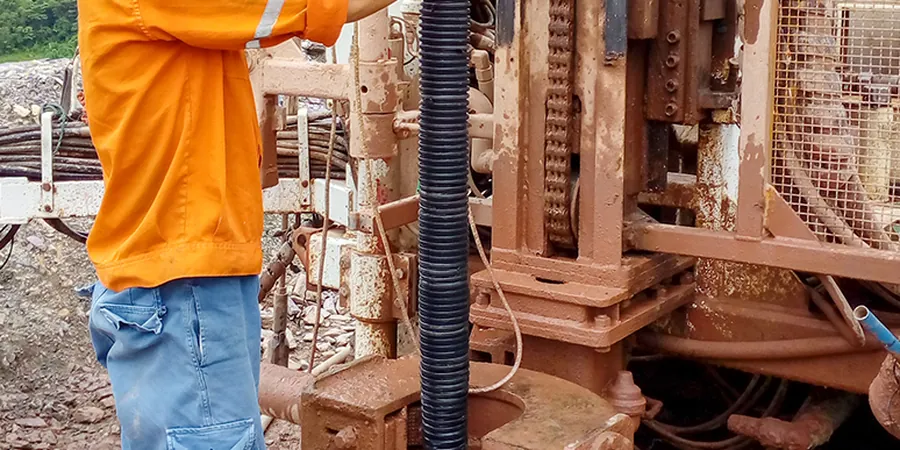
We deploy vibrating-wire piezometers and manual inclinometers across Fullerton using a track-mounted drill rig that fits through standard residential gates. The alluvial geology here means we often encounter interbedded sands and clays, so we pair each instrument with a detailed borehole log. For retaining wall projects, we install shape-array inclinometers alongside monitoring of excavations to track lateral movement in real time. Every sensor is wired to a solar-powered datalogger that transmits readings via cellular modem, eliminating the need for weekly site visits.
Real-time inclinometer data from Fullerton hillside developments caught a 0.3-inch lateral shift three days before visible cracking appeared.
Methodology and scope
Local considerations
A common mistake in Fullerton is installing piezometers without a proper filter pack in the silty sand layers found near Brea Creek. The fines clog the filter, giving false low readings. We always run a grain-size analysis on the horizon before selecting the filter sand. Another issue is surface heave during casing installation in the soft clays around the 57/91 interchange, which we mitigate by using an ODEX hammer system instead of direct push.
Applicable standards
ASTM D5092 (piezometer installation), ASTM D6230 (inclinometer monitoring), ASCE 7-22 Chapter 20 (site class determination), IBC 2021 Section 1803 (geotechnical investigation)
Associated technical services
Inclinometer Arrays for Hillside Development
Permanent shape-array or manual inclinometers for cut-and-fill slopes in the Fullerton foothills. We provide baseline readings and monthly monitoring reports with displacement vectors plotted against trigger levels per FHWA-NHI-05.
Vibrating-Wire Piezometers for Dewatering Monitoring
Twin-tube vibrating-wire piezometers for deep excavations near the Santa Ana River. Each unit is barometrically compensated and logged at 15-minute intervals. Data exports include pore pressure contour maps overlaid on the excavation plan.
Typical parameters
Frequently asked questions
How long does it take to install an inclinometer casing in Fullerton?
A 50-foot inclinometer casing takes about four hours from drilling to grouting. We use a truck-mounted CME 55 rig for most Fullerton sites. The grout mix is 5:1 water/cement with a unit weight of 105 pcf, allowed to cure 48 hours before the baseline survey.
What is the typical cost range for geotechnical instrumentation in Fullerton?
A basic instrumentation package with two piezometers and one inclinometer runs between US$2.220 and US$4.000 including installation, datalogger, and three months of monitoring reports. The range depends on borehole depth and site access conditions.
Do you provide remote data access for Fullerton projects?
Yes. Every sensor connects to a cloud-based dashboard accessible via web browser or smartphone app. You set alert thresholds for pore pressure, lateral movement, and settlement. The system emails the project team automatically if any reading exceeds the trigger level.